
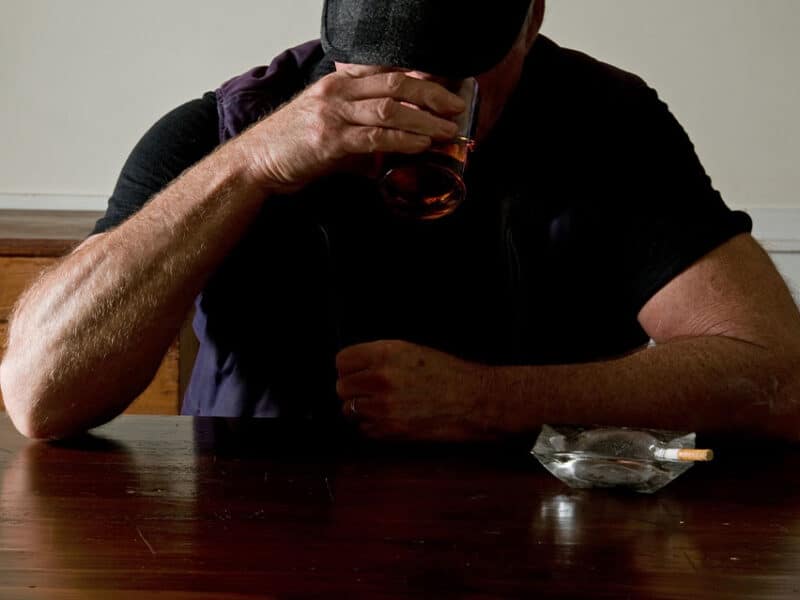
Addiction and domestic violence often exist together, creating a dangerous cycle that harms individuals, families, and entire communities. In Biloxi, Mississippi, this overlap is especially concerning. Untreated substance use disorders can escalate conflicts, fuel aggression, and keep survivors trapped in unsafe situations. Understanding the connection is the first step toward healing—and with the right support, both cycles can be broken.
Understanding the Connection Between Addiction and Domestic Violence
Substance use can worsen conflicts, lower inhibitions, and lead to impulsive or aggressive behavior. At the same time, victims of abuse may turn to drugs or alcohol as a way to cope with fear or trauma. This creates a cycle where addiction fuels violence, and violence drives further substance use.
In some cases, the person struggling with addiction becomes the aggressor. In others, the victim develops a substance use disorder to numb emotional or physical pain. Both scenarios show how addiction and domestic violence reinforce each other. Without treatment, the cycle can continue for years, hurting individuals, families, and entire communities.
Trauma at the Core of Addiction and Abuse
Unresolved trauma is often at the root of both substance use and domestic violence. Survivors of childhood abuse, neglect, or repeated exposure to violence face a higher risk of addiction and unhealthy relationship patterns.
Trauma bonding, post-traumatic stress, and emotional instability can keep families trapped in harmful cycles. At Mississippi Drug and Alcohol Treatment Center, trauma-informed care helps clients heal the root causes. By addressing past wounds—not just surface behaviors—recovery becomes more sustainable and less likely to fall back into old patterns.
How Addiction Fuels Family Conflict
Addiction often shifts family dynamics in unhealthy ways. Secrecy, denial, financial strain, and neglect increase tension. When domestic violence is already present, drugs or alcohol can make aggression more dangerous.
Common patterns include:
- Codependency: Loved ones taking on unhealthy roles to “manage” the addiction.
- Escalating aggression: Lowered inhibitions make conflicts more volatile.
- Emotional instability: Mood swings and withdrawal increase fear and isolation.
Family involvement in addiction recovery is vital. It helps rebuild trust, improve communication, and create safer environments for healing.
Breaking the Cycle in Biloxi
The cycle of addiction and domestic violence can be broken. In Biloxi, MSDATC programs focus on more than sobriety. They emphasize safety, stability, and long-term recovery.
Key approaches include:
- Therapy: Individual and group sessions for processing trauma and building coping skills.
- Family Counseling: Designed to rebuild relationships, strengthen boundaries, and reduce conflict.
- Relapse Prevention: Tools to manage triggers without turning to substances.
- Community Resources: Connections to shelters, legal aid, and survivor advocacy.
By addressing both addiction and violence, MSDATC helps individuals and families build lasting safety and recovery.
Practical Steps for Survivors and Loved Ones
If you or someone you love is caught in this cycle, recovery may feel overwhelming—but it is possible. Consider these first steps:
- Create a safety plan with trusted people and safe places.
- Reach out for professional support from counselors or peer groups.
- Focus on trauma healing to address the root causes.
- Involve family when possible to reduce isolation and strengthen recovery.
Finding Hope in Biloxi
Addiction and domestic violence do not have to define your future. With trauma-informed treatment, family involvement, and strong support systems, individuals and families in Biloxi can break free. Healing takes time, but it begins with reaching out.
If you or a loved one is struggling with the effects of addiction and domestic violence, connect with Mississippi Drug and Alcohol Treatment Center today. Hope and safety are possible—take the first step now.
 Nutrition and Drug Addiction: The Role of Diet in Mississippi Recovery
