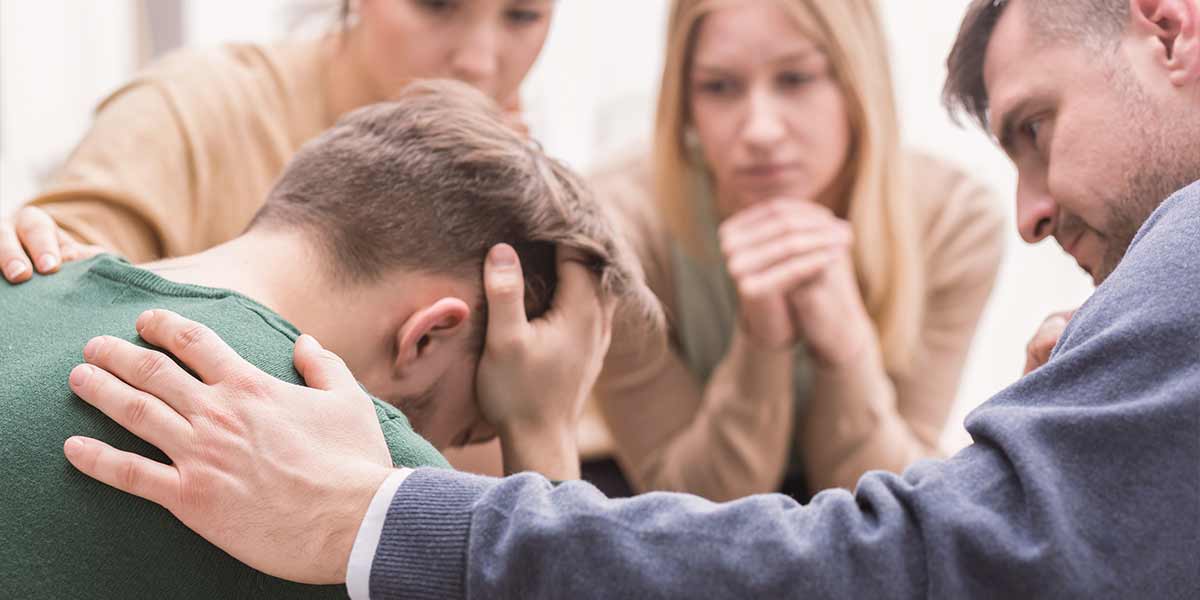
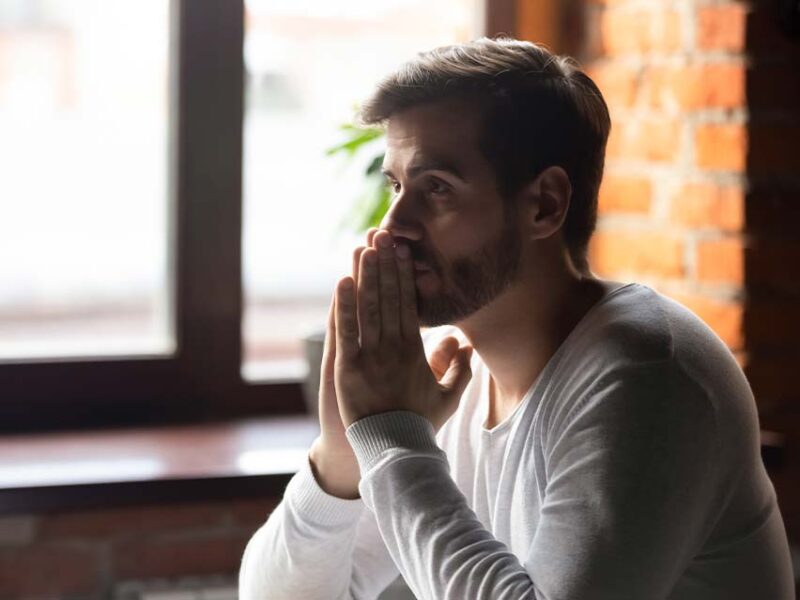
Picture this. You’re sitting in a circle on a worn-out couch, staring at the coffee stains on the rug. You’re supposed to be talking about your feelings. But you’re surrounded by strangers, and the pressure to be the tough guy—the one who has it all together, even when his life is burning down—is suffocating.
Sound familiar?
That’s the exact reason you need a different environment. You need a place where putting on that mask isn’t just unnecessary; it’s discouraged.
Dropping the Act and Finding Your People
Look, the whole idea that addiction is the same for everyone is total BS. Society has spent a lifetime telling you to suck it up, handle your own problems, and never show weakness. So you show up to a drug rehab setting expecting to do just that. And you can’t.
This is where a men-only program changes the game.
When it’s just other men in the room, something shifts. You don’t have to perform. You don’t have to worry about judgment from people who haven’t walked a mile in your busted-up shoes. Men in these programs say they can finally open up about trauma, fear, and failure because the societal pressure to be stoic just… disappears (American Addiction Centers, n.d.).
Real talk: Your old drinking and using buddies aren’t your real friends. They’re your accomplices. The connections you build in recovery are the first truly healthy friendships you might have had in your adult life.
Forging Bonds in the Fire
So how does this happen? It’s not magic. It’s work. It’s showing up to group therapy sessions, maybe Cognitive-Behavioral Therapy (CBT) or anger management, and being brutally honest for the first time. It’s the late-night conversations over bad coffee when you can’t sleep.
It’s one guy sharing something that makes your own secrets feel a little less heavy.
The core of strong mens rehab social support isn’t some clinical theory. It’s shared experience. Experts state these centers create an “open, emotionally honest environment that allows some men to create deep friendships for the first time in their lives” (Promises Behavioral Health, n.d.). For the first time. Think about that.
Honestly, the therapy is important, but the real healing often happens between sessions. It happens when another guy who gets it—really gets it—looks you in the eye and says, “Yeah, me too.” You can’t put a price on that.
This Isn’t Summer Camp. Make It Last.
There’s a common belief that the friends you make in rehab are temporary. “Rehab friends,” people call them, like it’s some cute, disposable thing. It’s a dangerous misconception. These men can become your lifeline. But only if you treat these relationships like they matter more than your next fix ever did.
The friendships don’t survive on their own. They need a plan. They need you to transition to outpatient programs, show up for alumni meetings, and answer the phone when one of your brothers calls at 2 a.m.
Leaving the facility is just the beginning. The real test is continuing to show up for each other when the structure of rehab is gone. You think those connections will just last on their own?
Finding a Program That Builds Brotherhood: A Quick Checklist
Not all programs get this right. When you’re looking for a place, ask these questions. Don’t be shy.
1. Do they have dedicated peer support groups? Ask specifically about men-only group therapy and 12-step meetings.
2. What happens after you leave? Look for strong alumni programs, outpatient options, and sober living connections. A program that just kicks you to the curb after 30 days is setting you up to fail.
3. Are there shared activities? Things like exercise programs, outdoor activities, or skills training build bonds outside of a therapy room. Sitting around talking is one thing. Building something together is another.
Don’t settle for the first place you find. This is about finding the guys who will have your back for the long haul.
It’s time to stop trying to do this alone. The “tough guy” act got you here. It won’t get you sober. Building a new support system, a real brotherhood, is your way out. The first step is admitting you can’t do it on your own and picking up the phone.
Call 855-334-6120. A real person is waiting to talk you through what’s next. No judgment. Just help.
- Commit to being honest in group sessions. Don’t just sit there. Share your story, even the ugly parts. That’s how connections are made.
- Find a program with a strong aftercare plan. Ask about outpatient programs (IOP/PHP) and alumni support before you even sign up.
- Get other guys’ phone numbers. Use them. Check in. Be the guy who calls, not just the guy who waits for a call.
- Participate in everything. Even the stuff you think is stupid, like art therapy or a group walk. Bonding happens in unexpected places.
 Affordable Treatment for Substance Abuse: Comparing Models and Costs